Indoor and outdoor concert screens may look similar from the crowd, but the design priorities are different. An indoor stage fights distance, camera detail, and lighting design. An outdoor stage fights sun, weather, wind, dust, and longer sightlines.
The choice affects more than the LED panel. It changes brightness planning, rigging, structure, service access, power protection, and the kind of content that will read from the audience area.
Brightness Is a Different Problem Outdoors
Indoor screens usually operate in controlled light, even when stage lighting is intense. Outdoor screens may face direct sun, changing cloud cover, and a show that moves from daylight into night. A screen that looks perfect in rehearsal can feel dim at dusk or too aggressive after dark if brightness is not managed.
The Digital Signage Federation regularly points to environment and content strategy as key parts of display performance. Concerts prove the point. Outdoor content often needs stronger contrast, larger text, and simpler visual moments because the audience is farther away and light is less predictable.
Weather Protection Is Not the Whole Story
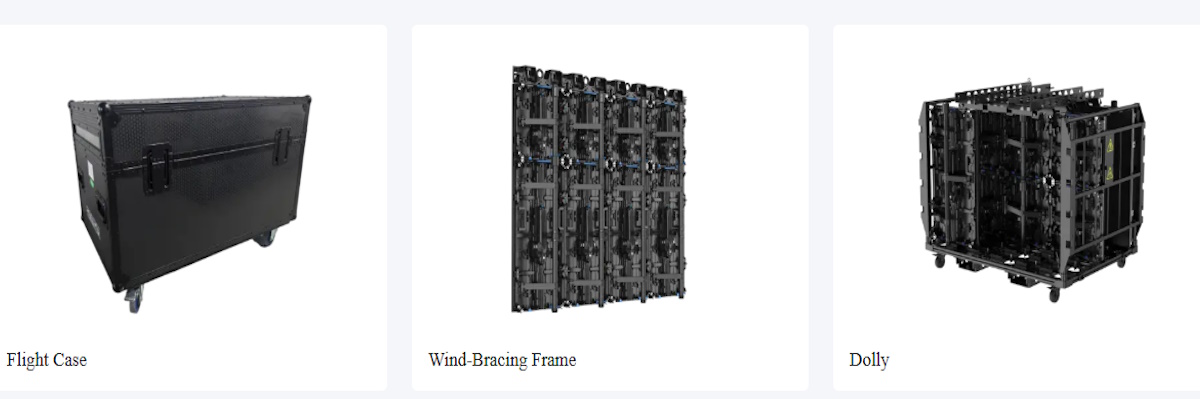
Outdoor LED screens use weather-resistant design, but an IP rating does not replace production planning. Cable paths, drainage, wind bracing, ballast, service access, and shutdown thresholds matter. An outdoor wall is a display and a temporary structure at the same time.
Teams comparing indoor and outdoor packages can use https://www.esdled.com/products.html as a product reference, then narrow the choice by venue, audience distance, and whether the screen will be flown, stacked, or ground-supported.
Indoor Screens Still Need Discipline
Indoor does not mean easy. Small venues can put viewers close to the wall, which may require a finer pitch. Ballrooms may have low ceilings or limited load-in paths. The wall may need to look clean on camera for livestreams or social clips. Heat and service access still matter during long show days.
Audio and lighting teams should be part of the screen conversation. A wall can block speaker positions, hide lighting fixtures, reflect light differently than expected, or create sightline issues from side seating. The best indoor LED plan is usually coordinated with the full stage plot, not added after the rest of the design is locked.
Outdoor planning should include a clear stop-use process. The crew should know who monitors weather, what conditions trigger action, and how the wall can be secured. That decision cannot be improvised while guests are already in the venue.
Maintenance access changes too. Outdoor walls may need faster access to swap a weather-exposed module, while indoor walls may be built into scenic elements that hide service paths. A screen that cannot be reached safely during a long show day should be treated as a design risk.
The content team should prepare different brightness and contrast looks for changing conditions. Outdoor concerts often move from afternoon light into night, and the same visual file may not feel right across the whole show.
The right decision is not simply indoor panel versus outdoor panel. It is the full production context: where the audience stands, what the content shows, how the wall is supported, who services it, and what conditions can change before the encore.
date: 14 July 2026